
Olduvai Gorge stands as one of the world’s most important archaeological sites, offering remarkable insight into the early origins of human evolution in Tanzania’s Northern Circuit.
Deep within Tanzania’s northern safari circuit lies a place that reshaped our understanding of human origins. Olduvai Gorge does not overwhelm visitors with dramatic wildlife scenes; instead, it commands attention through silence, stone, and time itself. Consequently, travelers who pause here step into a chapter of history that predates written language, cities, and even imagination.
Often called the “Cradle of Mankind,” Olduvai Gorge holds some of the most significant paleoanthropological discoveries ever made. In the mid-20th century, the pioneering research of Louis Leakey and Mary Leakey revealed fossil evidence of early human ancestors. Their findings, including remains of Homo habilis, shifted scientific consensus about where humanity began.
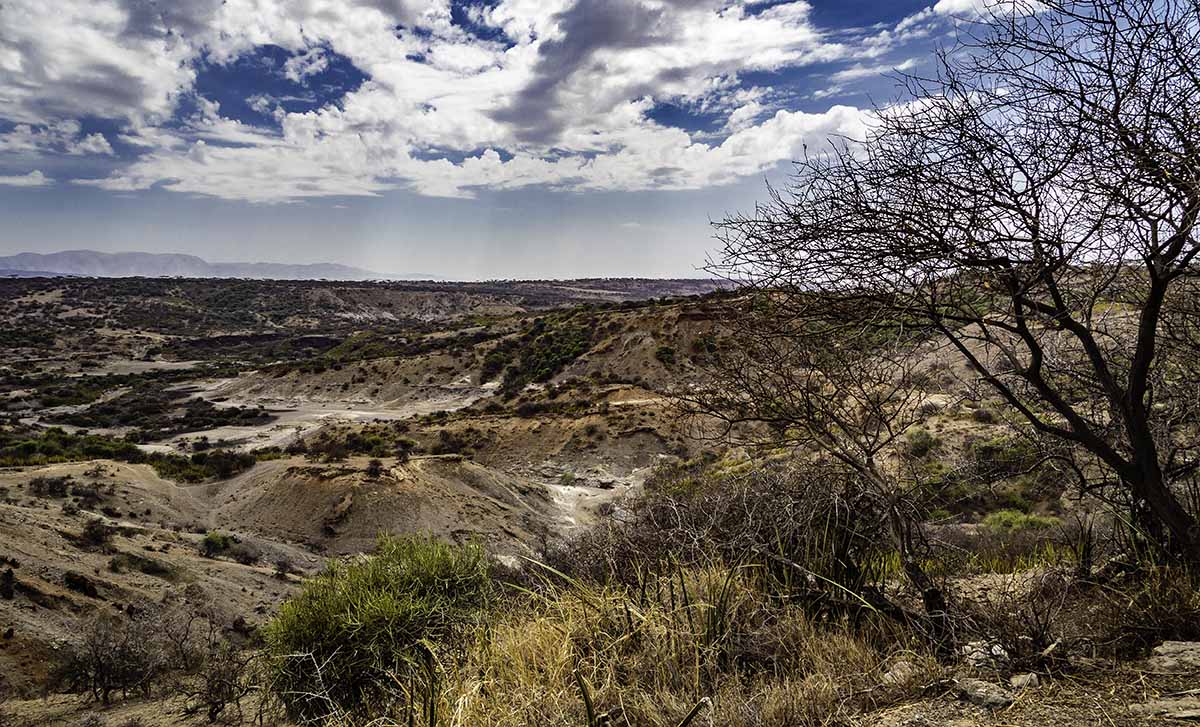
Because of these discoveries, scholars now recognize East Africa as a central stage in human evolution. Layer by layer, the exposed sediment walls of the gorge display nearly two million years of geological history. As a result, Olduvai functions like an open book written in volcanic ash and ancient river deposits.
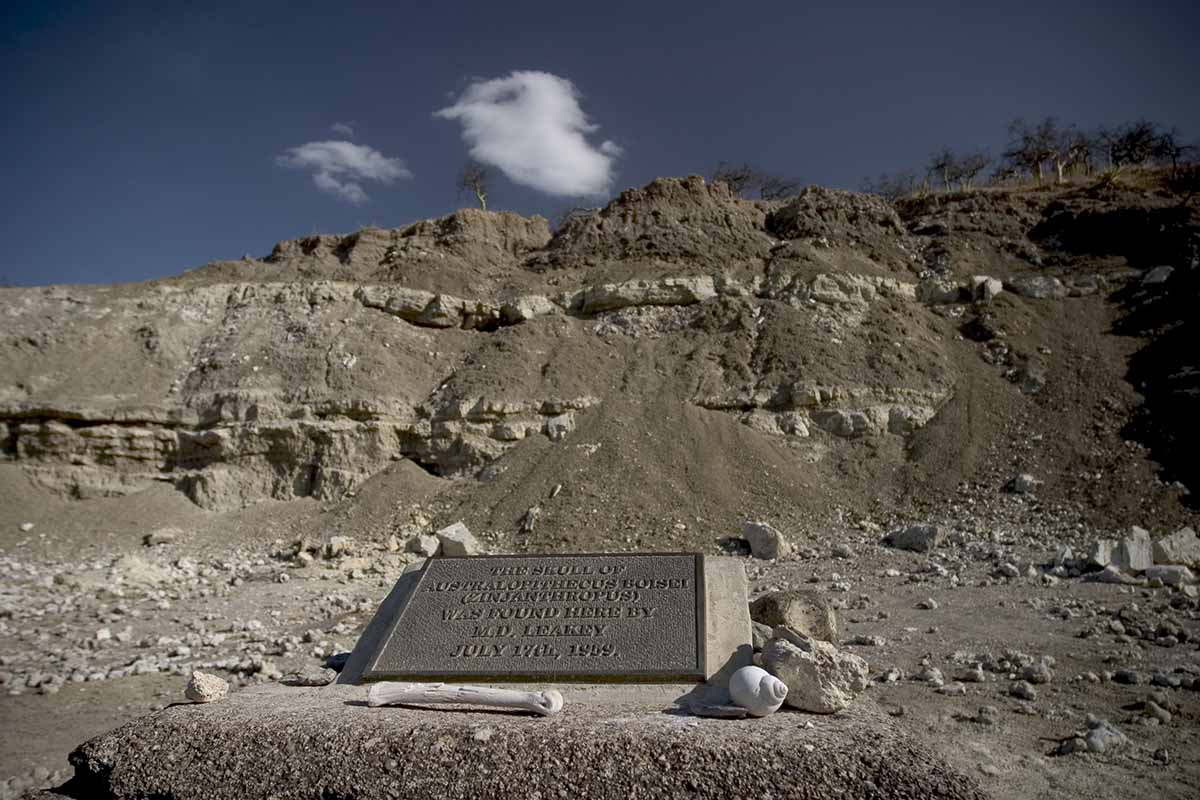
Not far from the gorge itself, the remarkable Laetoli footprints preserve a scene that feels astonishingly intimate. These 3.6-million-year-old tracks, left by early hominins walking across soft volcanic ash, offer direct evidence of upright walking long before modern humans appeared.
Unlike fragmented bones, footprints capture movement. They show direction, balance, and companionship. Therefore, they create an emotional bridge between past and present. Standing in this landscape, visitors often reflect on how small steps eventually shaped global civilization.
Olduvai Gorge stretches approximately 48 kilometers across the Serengeti plains. Over millennia, erosion carved deep ravines that exposed distinct stratified layers. Each layer corresponds to different climatic phases, volcanic events, and ecological shifts.
Importantly, these environmental changes influenced evolutionary development. As landscapes transformed from forests to open savannah, early hominins adapted accordingly. Thus, geology and evolution intertwine seamlessly at this site.
Many travelers focus exclusively on wildlife in nearby Serengeti National Park or the breathtaking views of Ngorongoro Crater. However, including Olduvai Gorge adds intellectual depth to a safari itinerary. Wildlife reveals nature’s present rhythm; Olduvai reveals humanity’s ancient origins.
Furthermore, the on-site museum provides accessible explanations, fossil replicas, and guided insights that enhance understanding. Because expert guides connect scientific discovery with storytelling, the visit feels engaging rather than academic.
Ultimately, Olduvai Gorge offers more than archaeological interest. It invites reflection. It challenges perspective. It reminds us that every modern journey traces back to early footsteps across African soil.
For travelers seeking a meaningful addition to their Northern Circuit safari, Olduvai Gorge delivers something rare: a direct encounter with the origins of humanity, preserved within Tanzania’s timeless landscape.

No worries! Every package we offer is simply a starting point, as we know each traveler has unique needs. Reach out to us through our inquiry or contact form, and we'll craft a personalized safari experience just for you.