
Beyond Travels

Serengeti National Park: The Hidden Rhythms Beyond the Great Migration

Most travelers associate Serengeti National Park with the Great Migration; however, the park reveals far more than river crossings and thundering hooves.

Beneath the famous wildlife spectacle, intricate ecosystems, ancient geology, and subtle survival strategies shape one of Africa’s most fascinating landscapes. Instead of focusing only on migration season, smart explorers look deeper. Consequently, they discover a Serengeti that feels intimate, intelligent, and surprisingly complex.

Ancient Kopjes: Stone Kingdoms of Strategy

Scattered granite kopjes rise dramatically from the plains, and these rocky islands create strategic strongholds for predators. Lions climb the warm stone at dawn, scan the horizon, and plan their movements with precision. Meanwhile, hyrax colonies dart between crevices, while agama lizards flash electric-blue bodies against rust-colored rock.

Unlike open grassland hunts, Serengeti National Park kopje territories encourage ambush tactics. Therefore, cats rely on elevation and patience rather than speed alone. Because of this terrain advantage, certain prides maintain control over prime hunting corridors for years. As a result, geology directly shapes predator hierarchy.

Nightfall: The Serengeti After Sunset

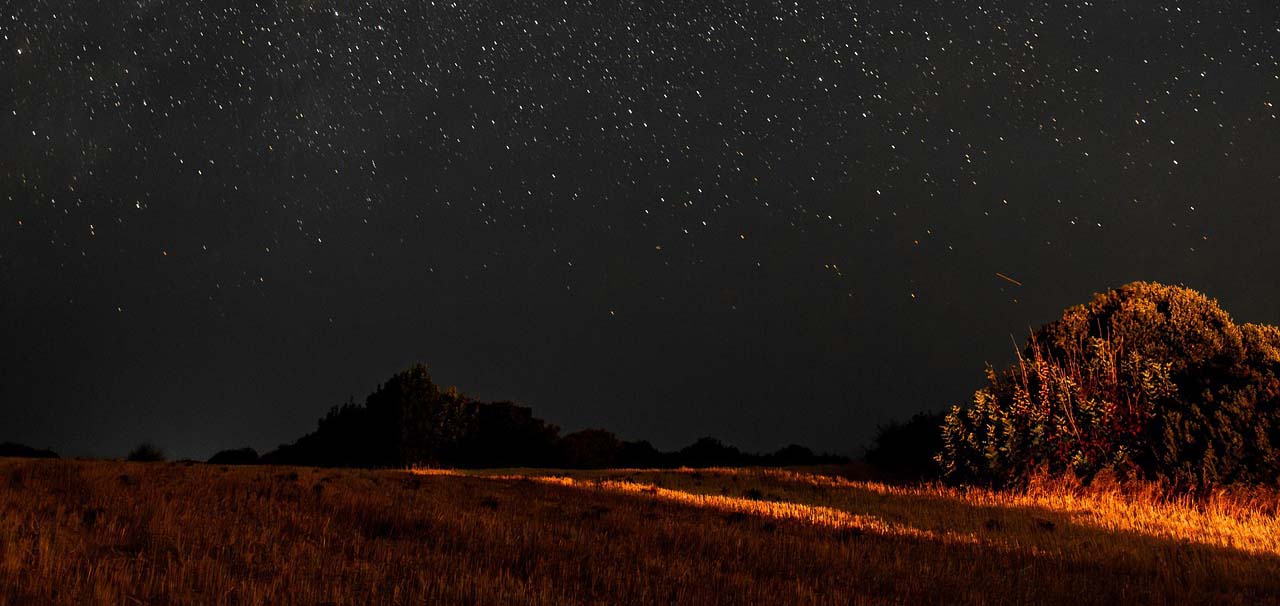
Although daytime safaris attract most attention, nighttime transforms the Serengeti National Park into a different universe. As darkness settles, temperature drops quickly, and new voices fill the air. Hyena clans gather and communicate with complex whoops. Genets glide silently through the grass. Bush babies leap between acacias with astonishing agility.

Importantly, nocturnal life influences daytime behavior. Since many predators hunt at night, herbivores adjust grazing patterns at sunrise. Thus, the ecosystem operates in continuous rhythm rather than isolated events. Under a vast, unpolluted sky, the Milky Way stretches brilliantly overhead, adding another layer of wonder to the experience.

Serengeti National Park: The Secret Role of Termites

At first glance, termite mounds appear insignificant. Nevertheless, these structures engineer the Serengeti’s fertility. Termites recycle plant matter, aerate soil, and concentrate nutrients in specific zones. Consequently, greener vegetation grows around their mounds even during dry months.

Herbivores notice these nutrient-rich patches immediately. Because of richer grass, zebras and antelopes cluster around mound systems. In turn, predators track those grazing groups. Ultimately, tiny insects influence large mammal movements across thousands of square kilometers. Few visitors recognize this ecological chain; however, it shapes the entire landscape.

Serengeti National Park

Serengeti National Park: Fire as a Creative Force

Lightning frequently ignites dry grasslands of Serengeti National Park during transitional seasons. Rather than destroy the plains, controlled natural fires renew them. Fresh shoots emerge rapidly after burning, and herbivores follow the regrowth almost instantly. Therefore, fire drives renewal cycles instead of devastation.

Additionally, park authorities use strategic burning to prevent uncontrolled wildfires. Through careful timing, rangers protect biodiversity while maintaining grass health. As a consequence, Serengeti landscapes constantly evolve rather than remain static.

Cultural Echoes Within the Wilderness

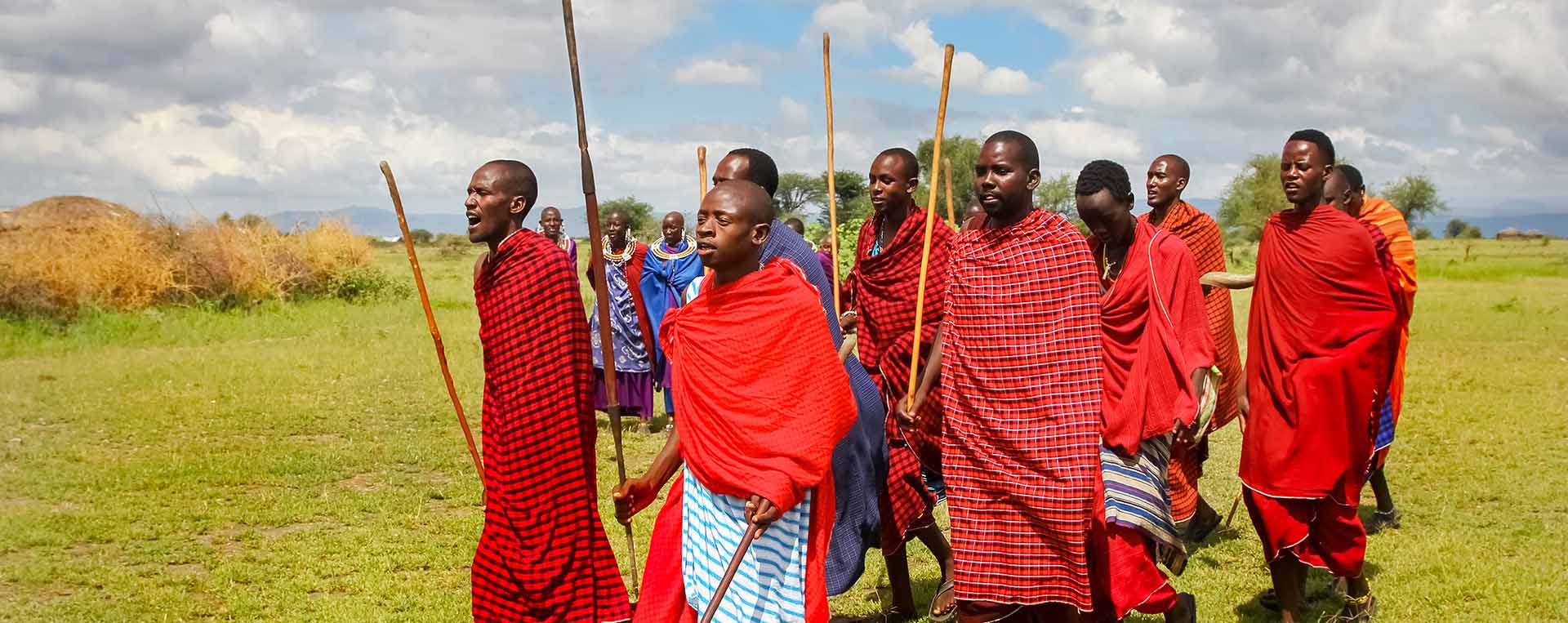
Long before modern conservation policies, pastoral communities lived alongside wildlife. Today, the neighboring Maasai maintain traditions that reflect deep ecological understanding. Their seasonal grazing patterns historically mirrored wildlife movements, creating a dynamic balance between people and nature.

Furthermore, traditional knowledge still informs conservation discussions. By integrating indigenous insight with scientific research, Tanzania strengthens long-term ecosystem resilience.

Why Serengeti National Park Rewards the Curious Traveler

Ultimately, Serengeti National Park offers more than iconic migration scenes. Instead, it rewards those who observe subtle details: wind direction before a hunt, bird alarms signaling hidden predators, fresh grass sprouting after rain. Each small element contributes to a living, breathing system.

For travelers who look beyond headlines, the Serengeti delivers layered discovery, ecological intelligence, and unforgettable immersion in Africa’s most intricate wilderness.

Send us a free inquiry