
The Maasai people in Tanzania preserve rich traditions, vibrant culture, and a deep connection to nature that continues to shape the country’s identity.
The Maasai people are one of the most recognizable communities in Tanzania. They live mainly across northern Tanzania and southern Kenya, especially near famous safari regions like Serengeti National Park and Ngorongoro Conservation Area. Known for their vibrant clothing and strong traditions, the Maasai have preserved their identity despite modern influences.
First of all, Maasai culture centers around community, cattle, and tradition. They measure wealth through livestock, particularly cows, which provide food, status, and security. Moreover, their famous red shuka clothing symbolizes strength and unity, while intricate beadwork reflects age, status, and identity.
In addition, traditional dances play a major role in ceremonies. The well-known jumping dance, called adumu, showcases strength and endurance among warriors. At the same time, elders guide decision-making, ensuring that customs pass from generation to generation.
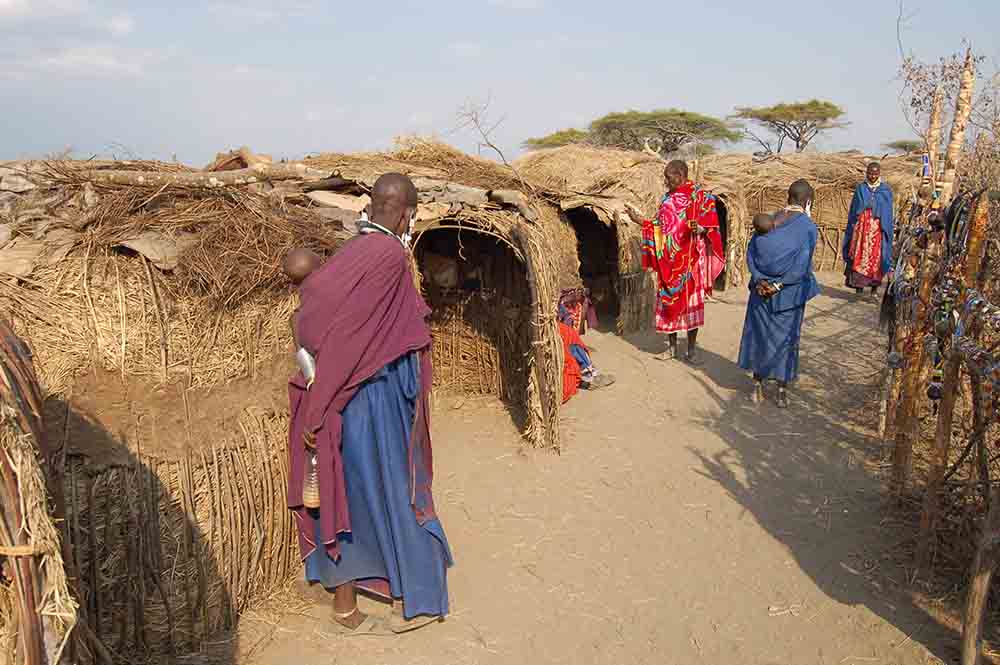
Typically, Maasai families live in small villages called, built from natural materials like mud, sticks, and cow dung. Women construct the homes, whereas men focus on herding and protecting livestock. As a result, each member of the community plays a clear and important role.
Furthermore, the Maasai follow a semi-nomadic lifestyle. They move with their cattle in search of water and grazing land. Because of this, they maintain a deep connection with nature and the surrounding environment.
Unlike many other communities, the Maasai have historically lived alongside wildlife without destroying ecosystems. For instance, they share land with animals such as lions, elephants, and zebras. Consequently, their presence contributes to the balance of local ecosystems.
At the same time, conservation areas increasingly include Maasai land. Therefore, cooperation between communities and conservation authorities has become essential. This relationship supports both wildlife protection and cultural preservation.
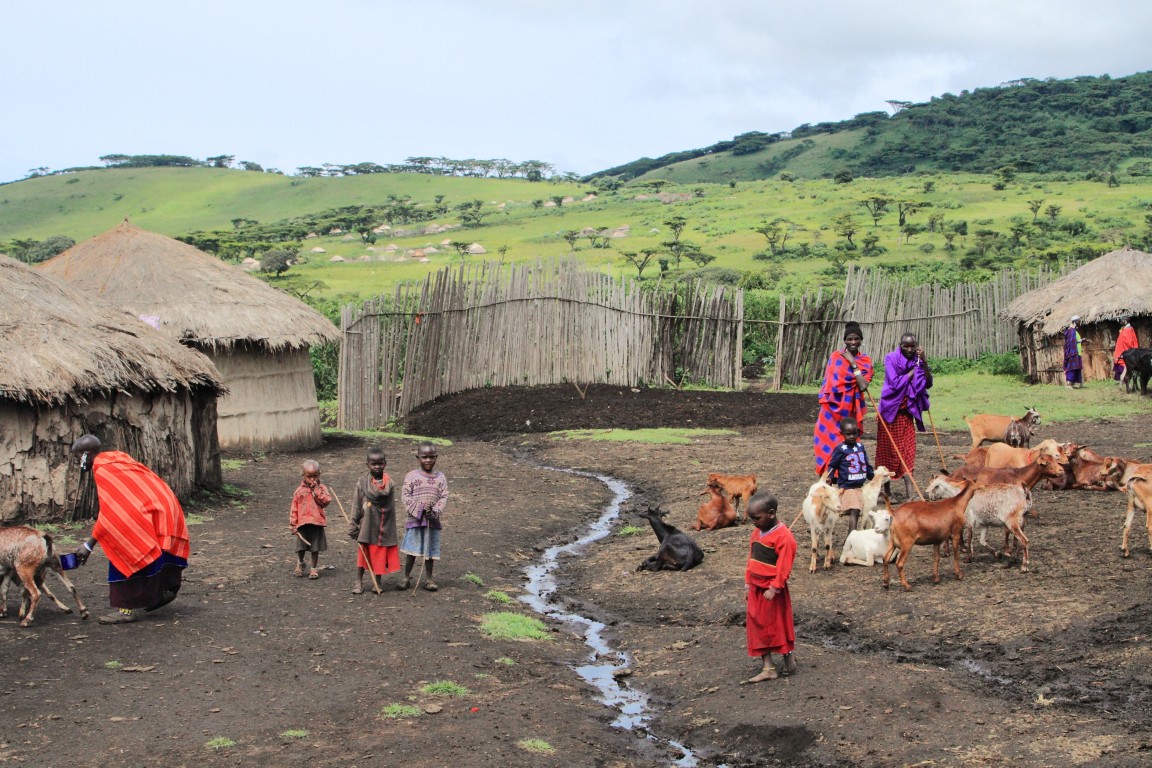
However, the Maasai face growing challenges. Expanding tourism, land restrictions, and climate change all affect their traditional way of life. In particular, reduced grazing land limits their ability to sustain cattle.
Nevertheless, many Maasai communities adapt while protecting their heritage. Some engage in tourism by offering cultural experiences, while others pursue education and new economic opportunities. As a result, they balance tradition with change.
Today, the Maasai play a key role in Tanzania’s tourism identity. Visitors often seek authentic cultural experiences alongside wildlife safaris. Because of this, Maasai traditions enrich the overall travel experience.
Moreover, their presence adds depth to destinations like the Serengeti and Ngorongoro. Travelers not only see wildlife but also connect with one of Africa’s most iconic cultures. Ultimately, the Maasai represent resilience, heritage, and a living connection to East Africa’s past.

No worries! Every package we offer is simply a starting point, as we know each traveler has unique needs. Reach out to us through our inquiry or contact form, and we'll craft a personalized safari experience just for you.