
Whether you’re visiting Tanzania, Kenya, Uganda, or Rwanda, this Safari Tipping Guide will help you tip with confidence.
Planning an African safari is an unforgettable experience, and one question almost every traveler asks before departure is: How much should I tip on safari?
While tipping is not mandatory, it is a long-standing tradition across East Africa and an important way to recognize the dedication of guides, lodge staff, trackers, porters, and other professionals who work hard to make your journey exceptional. Understanding local tipping etiquette before your trip will help you feel confident and prepared.
Yes. In Tanzania, Kenya, Uganda, and Rwanda, tipping is widely appreciated throughout the tourism industry. Safari professionals often spend long days ensuring guests enjoy safe, comfortable, and memorable experiences. A gratuity is a meaningful way to thank them for outstanding service.
Remember that tipping should always reflect the quality of service you receive. It is never an obligation, but rather a gesture of appreciation.
Several people contribute to your safari experience, even if you do not meet them all personally.
Your safari guide is responsible for much more than driving. They track wildlife, explain animal behavior, share local knowledge, manage park regulations, and help create unforgettable game drives.
A general guideline is:
| Service | Recommended Tip |
|---|---|
| Safari guide | US$10–20 per guest per day |
| Private guide | US$20–25 per guest per day for exceptional service |
Most travelers present the tip directly to their guide at the end of the safari.
Behind every successful safari is an entire team working behind the scenes. Housekeeping, chefs, waiters, gardeners, maintenance staff, and security all contribute to your stay.
Many lodges provide a communal tipping box at reception where gratuities are shared fairly among staff.
A typical recommendation is:
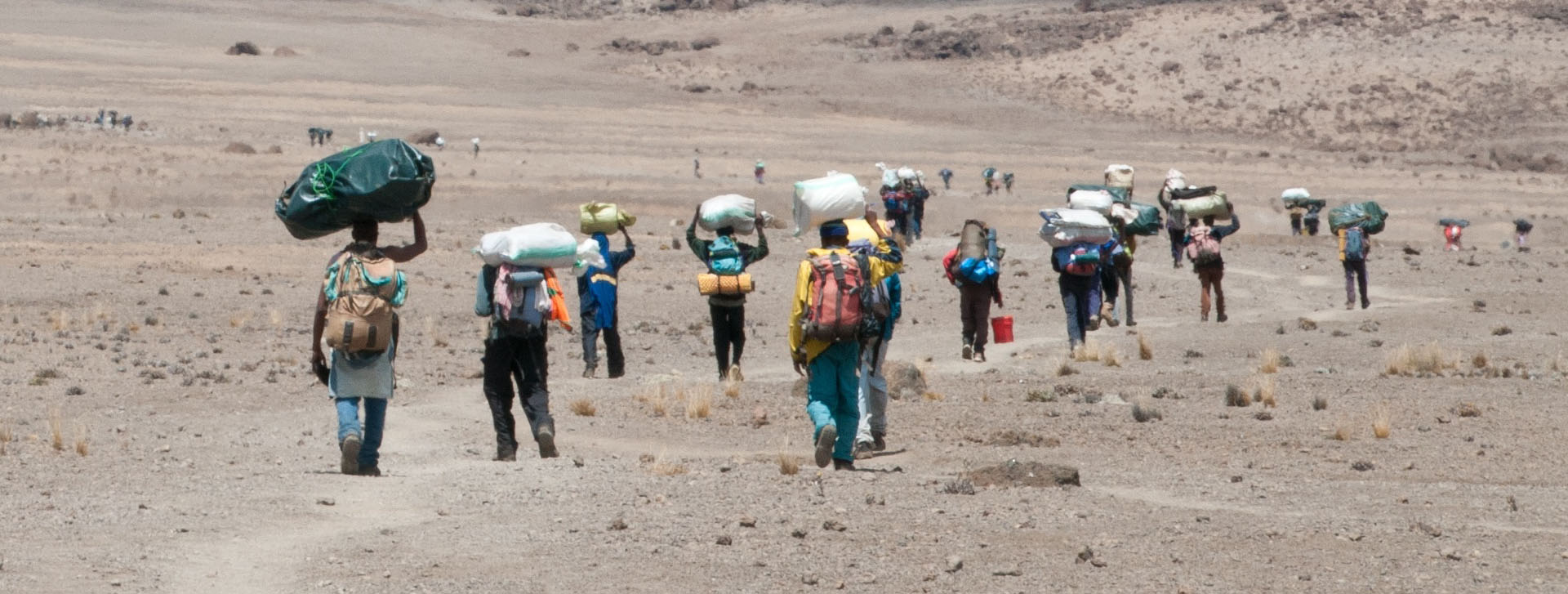
Porters assist with luggage at airports, lodges, and airstrips, while trekking porters provide valuable support during mountain gorilla trekking or other challenging hikes.
Suggested gratuities include:
Some safari experiences include dedicated trackers or armed rangers, especially on walking safaris and gorilla trekking adventures.
A recommended tip is:
Although tipping customs are similar throughout East Africa, there are a few regional differences.
Most safari lodges recommend separate tips for your guide and general lodge staff. US dollars are widely accepted, particularly in safari areas such as Serengeti National Park, Ngorongoro Conservation Area, Tarangire National Park, and Ruaha National Park.
Kenya follows nearly identical tipping practices. Whether exploring the Maasai Mara, Amboseli National Park, Samburu, or private conservancies, guides and lodge teams generally receive gratuities using the same daily recommendations.
If your itinerary includes gorilla or chimpanzee trekking, you may encounter several professionals, including park rangers, trackers, guides, and porters. Budget a little extra for these activities, as several people contribute to making each trek successful.
US dollars are the most widely accepted currency for safari tips across East Africa.
For convenience:
A couple enjoying a private safari might budget approximately:
For a five-day safari, a family may wish to budget several hundred dollars in total gratuities, depending on the level of service and number of activities included. Planning ahead helps avoid carrying too little cash during your trip.
Many first-time safari travelers worry about tipping etiquette, but it is usually straightforward.
No. Tipping is always voluntary, but it is customary and greatly appreciated throughout East Africa.
Most travelers tip their safari guide at the end of the safari. Lodge staff usually receive gratuities through the communal tip box before departure.
Yes. Local currencies are generally accepted, although US dollars are often more convenient for international visitors.
Yes. Even on luxury, all-inclusive safaris, gratuities are usually not included unless your operator specifically states otherwise.
Tipping is one of the simplest ways to recognize the people who help make your safari unforgettable. Whether it is your guide who finds a leopard hidden in the trees, the chef preparing meals after a long game drive, or the housekeeping team ensuring your tent is ready each evening, every contribution helps create an exceptional travel experience.
By planning your tipping budget before you arrive, you can focus on enjoying the adventure while showing appreciation to the dedicated professionals who make every safari truly memorable.

No worries! Every package we offer is simply a starting point, as we know each traveler has unique needs. Reach out to us through our inquiry or contact form, and we'll craft a personalized safari experience just for you.