
Lake Manyara offers one of Tanzania’s most diverse safari landscapes, where dense forests, open plains, and a shimmering alkaline lake create a unique environment for wildlife and birdlife alike.
When travelers plan a safari in Tanzania, destinations like the Serengeti or Ngorongoro Crater usually dominate the conversation. However, just a short distance from the bustling safari gateway of Arusha lies a place that quietly delivers one of the most diverse wildlife experiences in East Africa. Lake Manyara is often described as a small park, yet its ecological richness and dramatic scenery create a safari atmosphere that feels far larger than its size.
To begin with, Lake Manyara National Park stretches along the base of the Great Rift Valley escarpment, forming a landscape that changes dramatically within just a few kilometers. Dense groundwater forests stand near the entrance, while open floodplains, acacia woodlands, and the shimmering alkaline lake dominate the park’s interior. As a result, visitors move through multiple ecosystems during a single game drive, something rarely experienced in such a compact area.
Moreover, the forest at Lake Manyara creates a unique safari introduction. Tall mahogany and fig trees form a cool canopy where troops of baboons move constantly along the roadside. In fact, the park is famous for having one of the largest baboon populations in Africa. At the same time, blue monkeys leap through branches above, while elephants often emerge silently from the shadows of the forest.
Soon afterward, the scenery opens dramatically. The landscape shifts from thick greenery to wide grassy plains where animals gather near the lake’s edge. Zebras, wildebeests, and buffalo frequently graze here, while giraffes wander slowly between scattered acacia trees. Because of this open terrain, wildlife viewing becomes surprisingly easy despite the park’s smaller size.
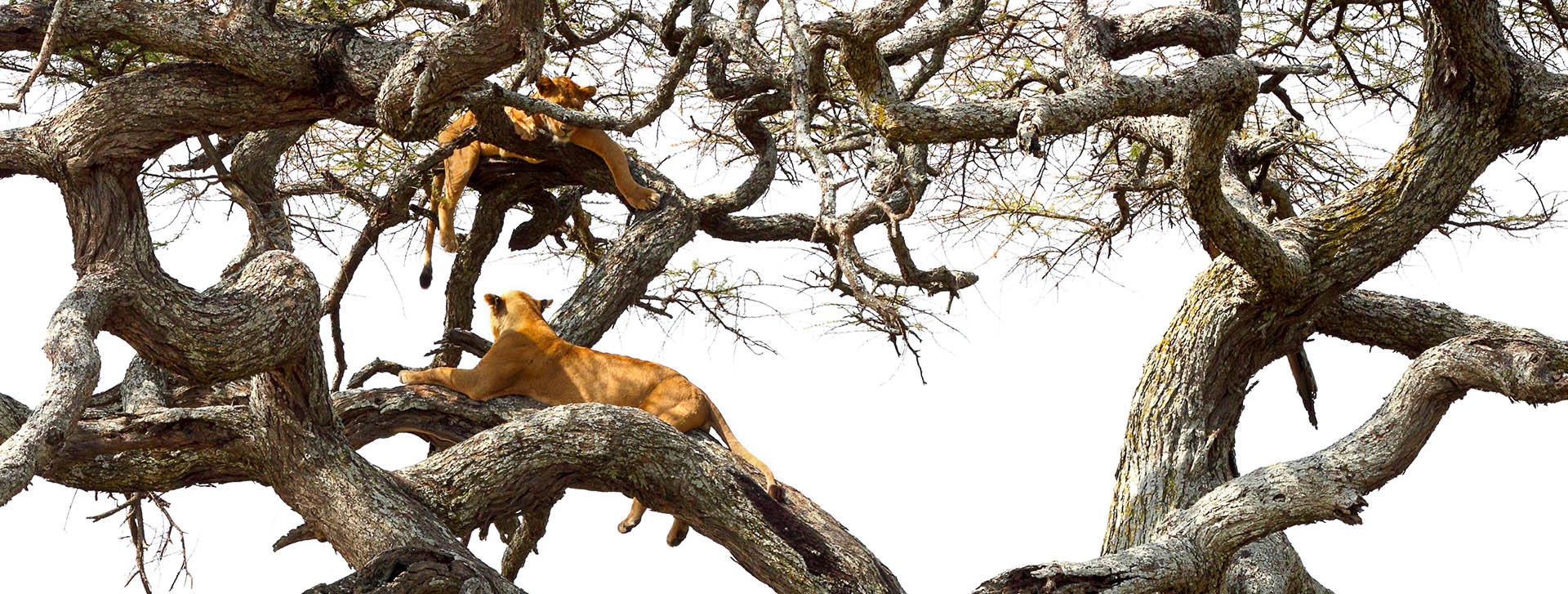
Nevertheless, Lake Manyara’s greatest reputation comes from one of Africa’s most unusual wildlife behaviors. The park is known for its tree-climbing lions, a rare phenomenon that continues to intrigue wildlife researchers and safari guides alike. Instead of resting on the ground like most lions, these cats often climb high into the branches of acacia trees. Consequently, spotting a lion stretched lazily across a branch becomes one of the park’s most memorable safari moments.
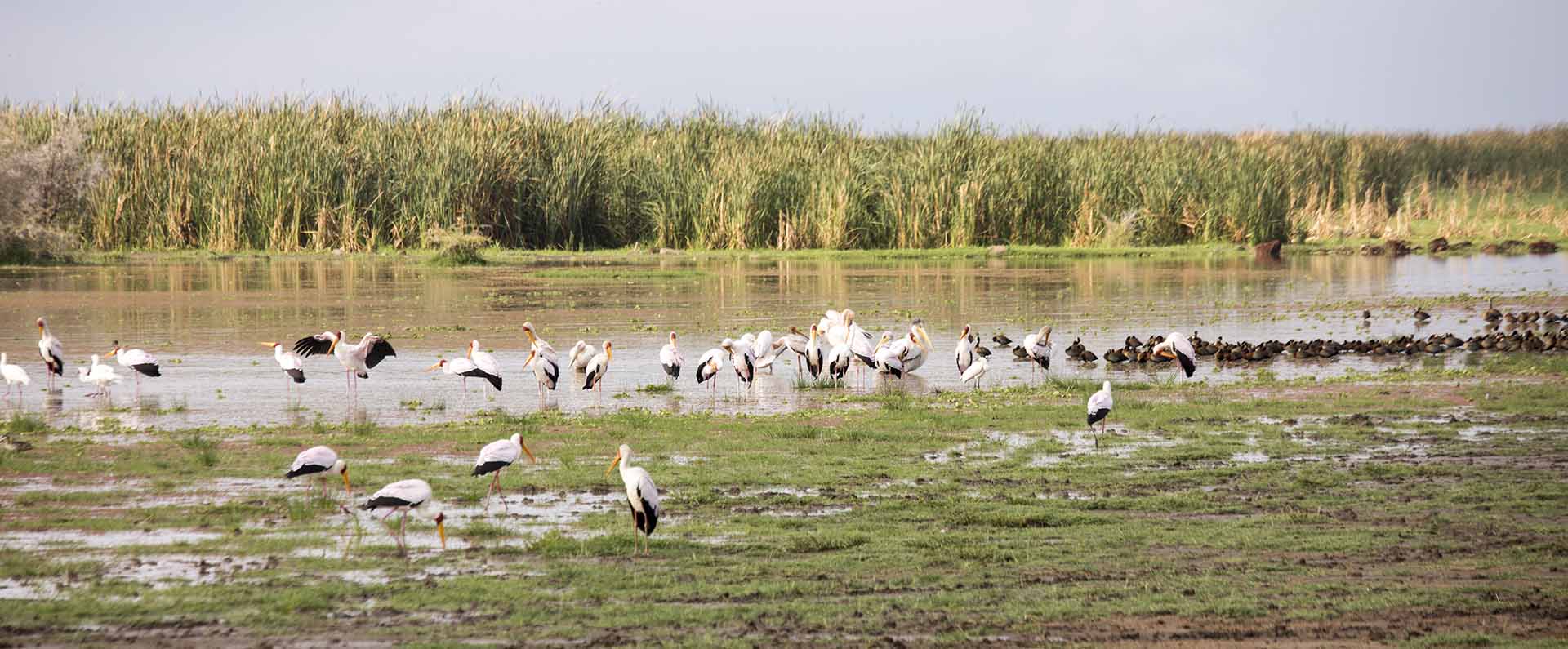
Beyond large mammals, Lake Manyara also reveals a remarkable birdlife spectacle. Since the lake itself covers a large portion of the park during the rainy season, it attracts thousands of waterbirds. Pink flamingos gather in large numbers, creating a vivid contrast against the pale alkaline water. Meanwhile, pelicans, storks, and countless smaller species circle the shoreline, making the park particularly rewarding for bird enthusiasts.
Another feature that many visitors overlook is the park’s relationship with the Rift Valley escarpment. Towering cliffs rise dramatically along the western boundary, providing a stunning natural backdrop to every safari drive. Waterfalls appear along the escarpment during the rainy months, while natural springs feed the lush forest below. Therefore, the park maintains greenery even during dry seasons when other regions turn dusty and brown.
Equally important, Lake Manyara offers a quieter safari experience compared to Tanzania’s more famous parks. Because many travelers treat it as a short stop between Arusha and Ngorongoro, the park rarely feels crowded. This slower pace allows visitors to appreciate smaller safari details such as bird calls, forest shadows, and the changing colors of the Rift Valley landscape.
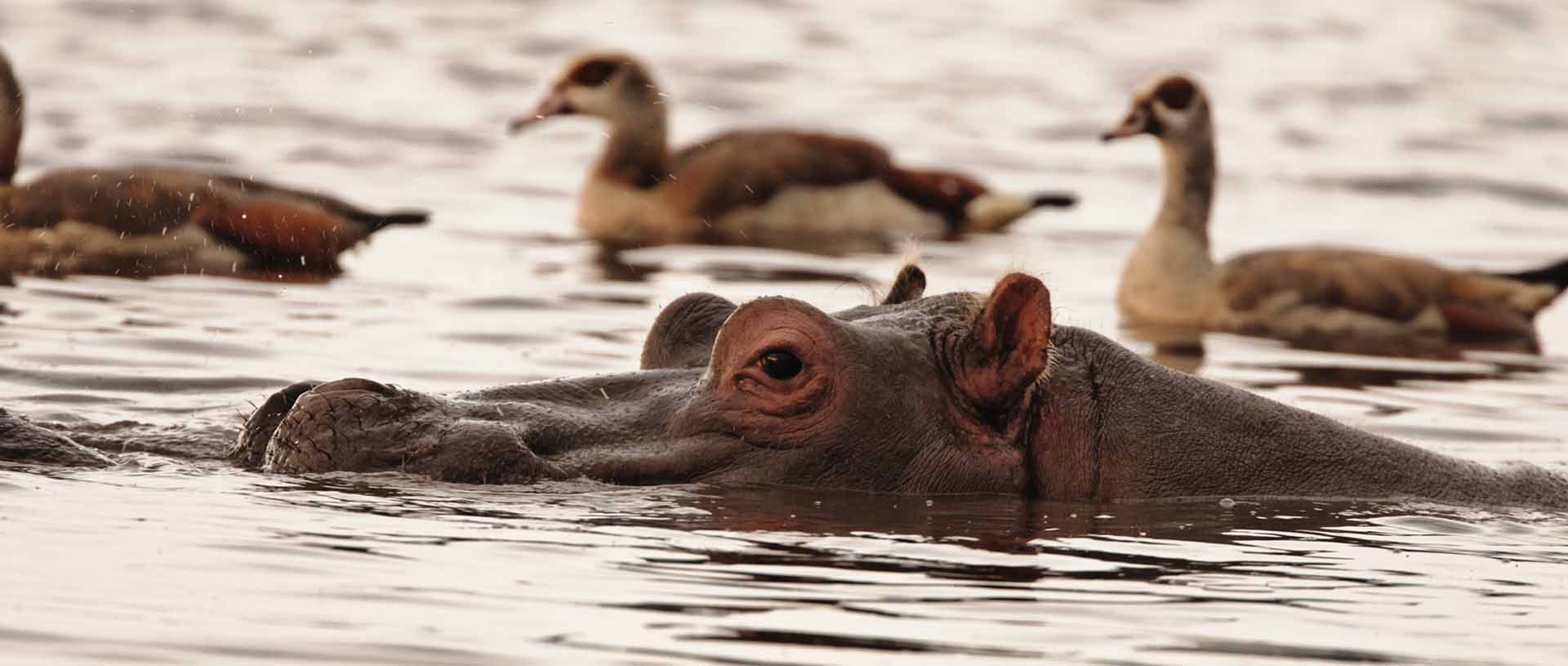
In addition, the park’s compact size makes it ideal for travelers with limited time. A single day can reveal elephants, giraffes, hippos, monkeys, and countless bird species without the need for long-distance driving. Consequently, Lake Manyara often surprises visitors who arrive with modest expectations but leave with vivid safari memories.
Ultimately, Lake Manyara proves that extraordinary wildlife experiences do not always require vast wilderness. Instead, its magic lies in contrast. Forest meets lake, cliffs meet plains, and quiet moments alternate with sudden wildlife encounters. Because of this balance, the park offers a refreshing safari perspective that feels both intimate and vibrant.
For travelers exploring Tanzania’s Northern Safari Circuit, Lake Manyara is far more than a quick stop along the way. Rather, it is a destination where landscapes, wildlife, and atmosphere blend into one of the country’s most unexpectedly rewarding safari experiences.

No worries! Every package we offer is simply a starting point, as we know each traveler has unique needs. Reach out to us through our inquiry or contact form, and we'll craft a personalized safari experience just for you.